What is pacing?

Understanding your body’s energy
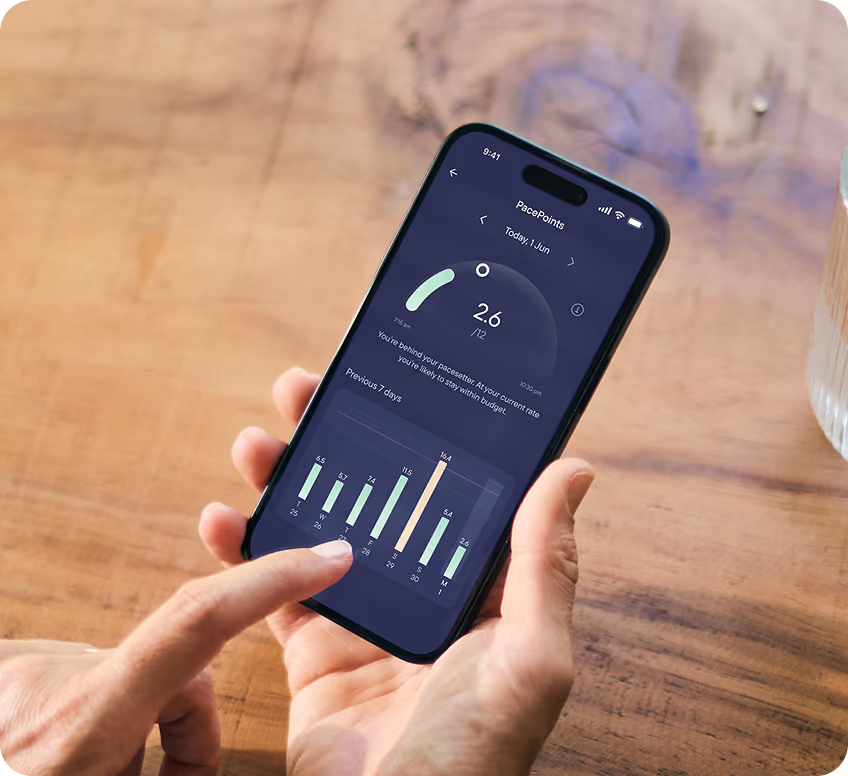
Imagine your body’s capacity as an energy budget
Your body’s energy budget can change from day to day, because sleep, stress, illness, hormones and physical and emotional strain can all affect it.
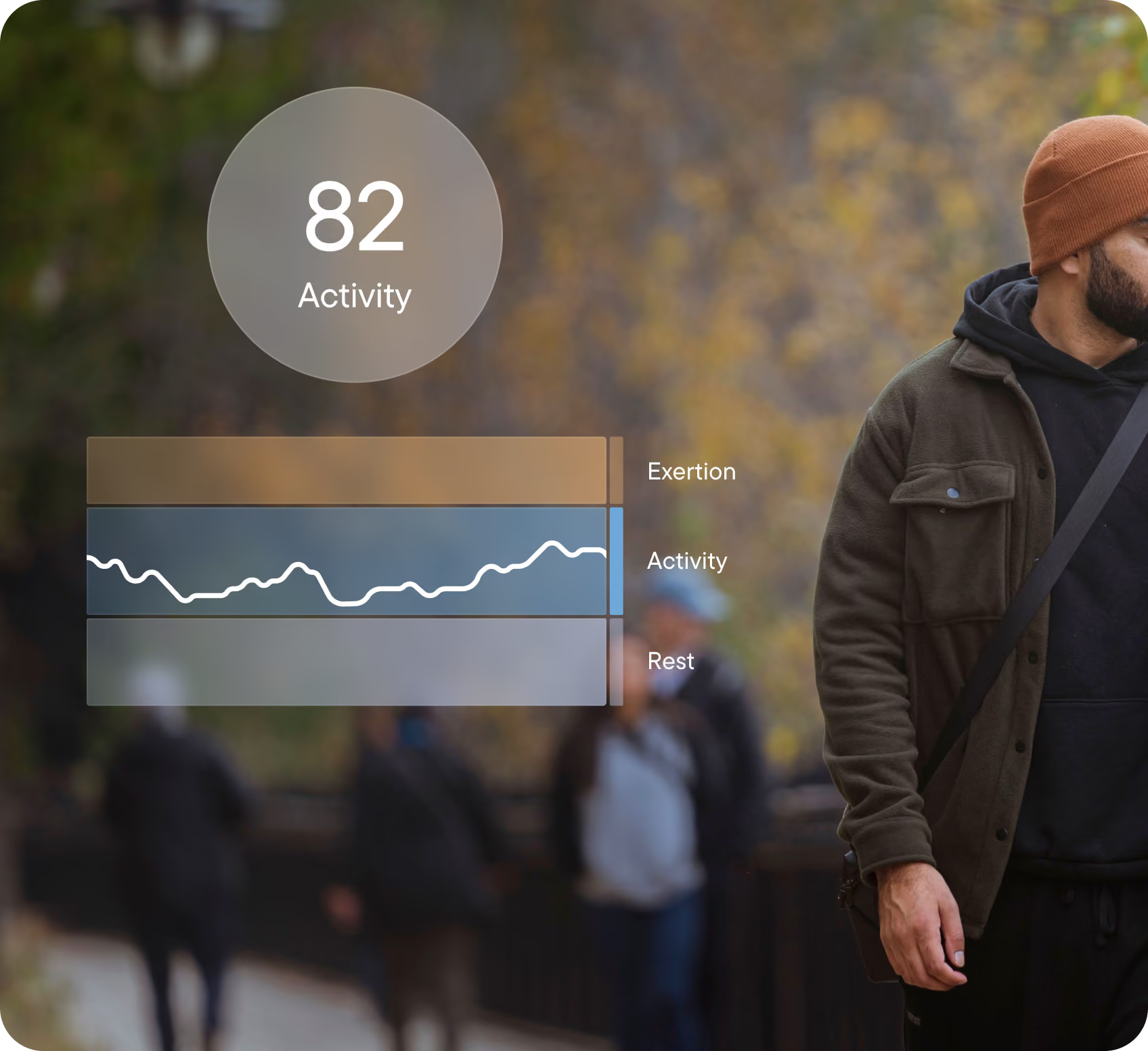
Every activity has a cost, and some cost more than others
A walk might cost more on a day when you’ve slept badly. Household chores may cost more on hot days. A hard conversation might cost more than an easy one, even in the same amount of time.
Some costs draw from your budget straight away. Others may take hours or days to appear.
Tracking activities helps to identify their cost
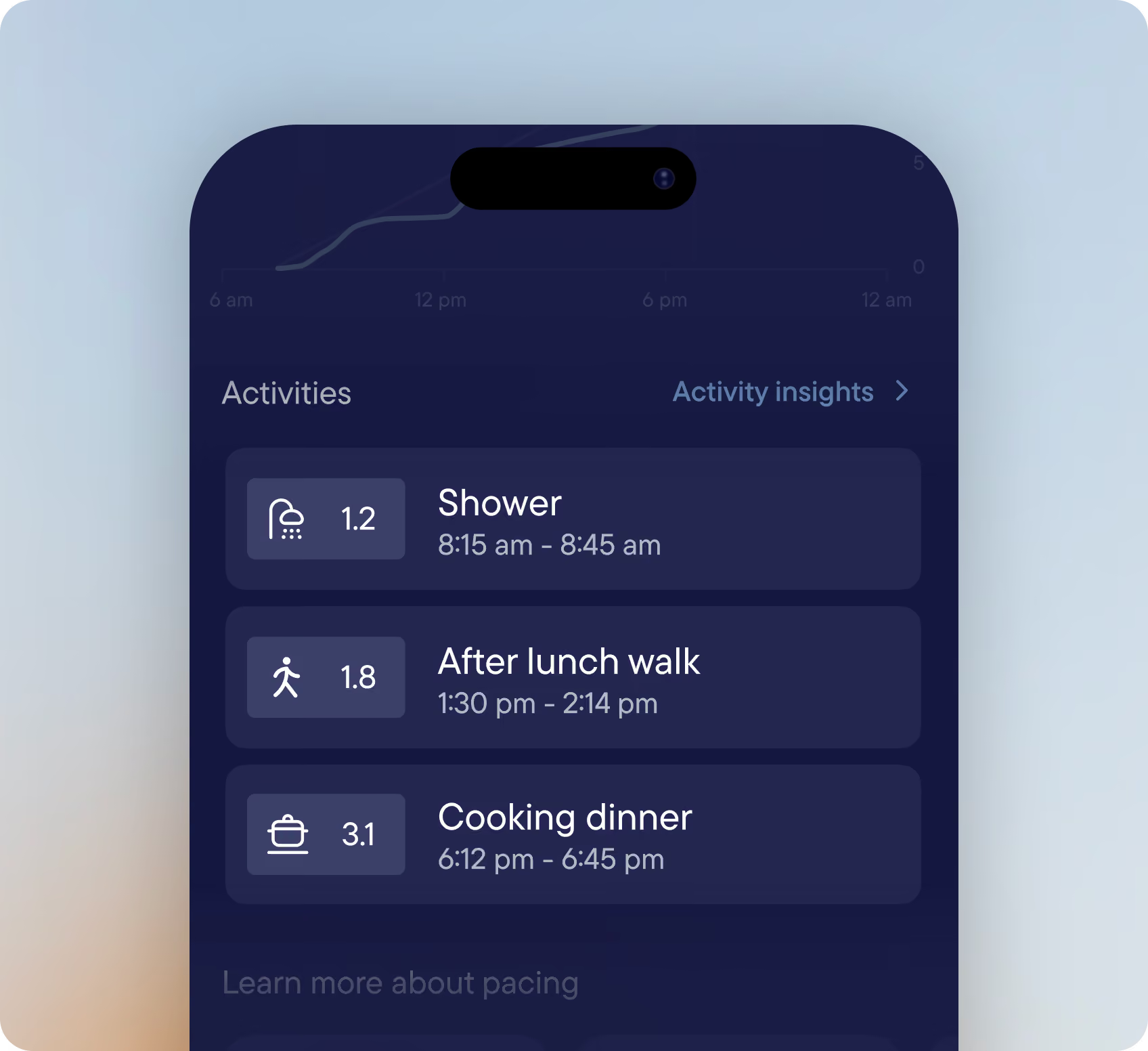
Tracking your activities and symptoms helps identify what makes you feel better or worse. Over time, you’ll build a clearer picture of your own activity costs.
You’ll start to see which activities are expensive, which are cheap, and how long it takes for a cost to show up. That knowledge is the foundation for pacing.
Pacing means spending energy on what matters most
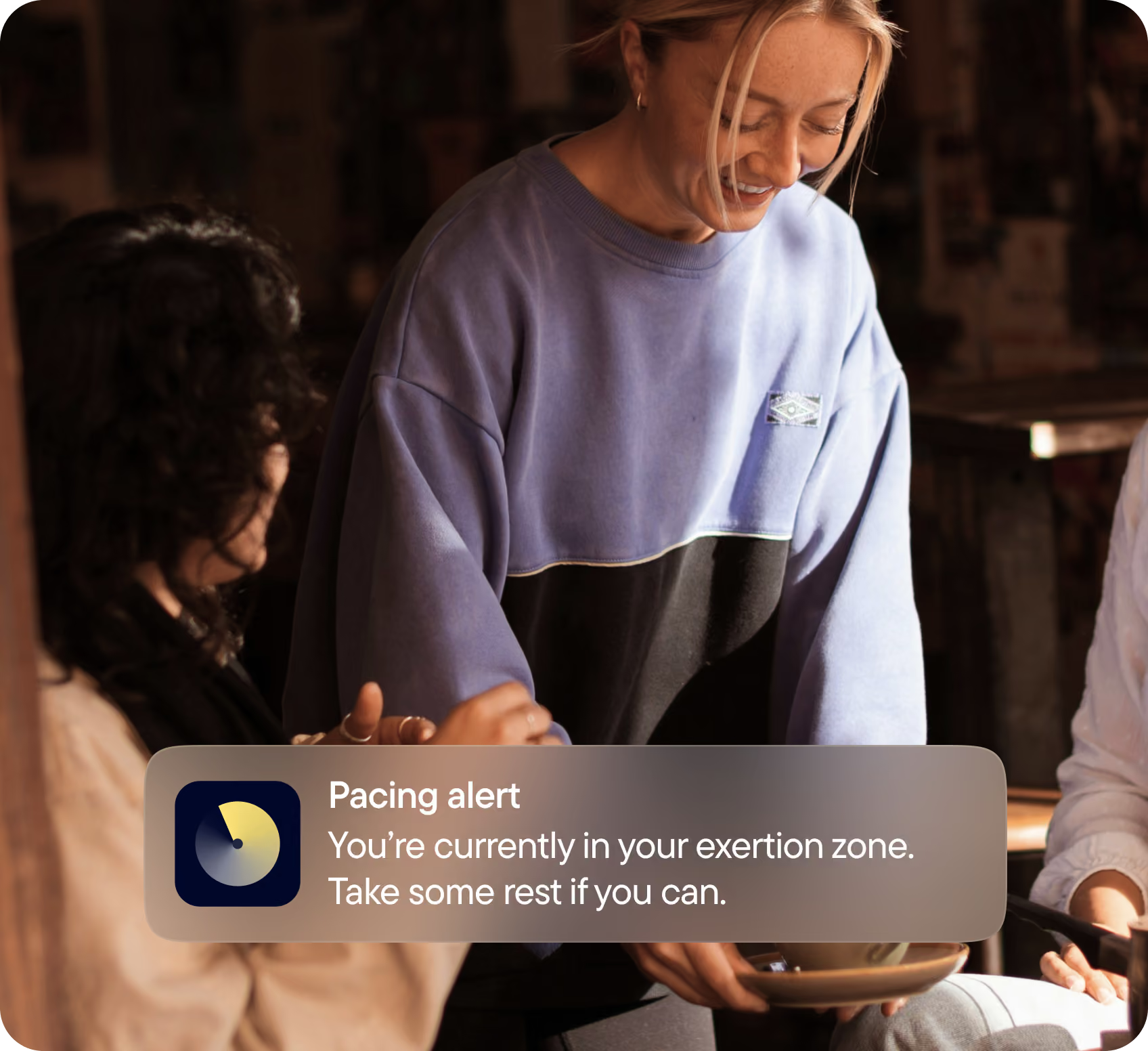
When you understand the impact of activities and how much energy your body has, you can work with your body instead of against it. Staying within your body’s budget can help to reduce flare ups and crashes, giving you more opportunity to spend time on what matters.
Staying within your energy envelope
You may have heard ‘spoons’ or ‘energy envelope’ used to describe your body’s energy. Spoon theory was coined by writer Christine Miserandino in 2003. It uses spoons to represent your daily energy – once a spoon is gone, it’s gone. The energy envelope works the same way. Staying within the envelope means doing only what you can without triggering a flare. At Visible, we use the term ‘energy budget’. All these terms describe the same experience.
Ways in to pacing
Plan ahead to support pacing
Use what you’ve learned from tracking your activities to spread the more demanding activities across your day, and week.
Alternate activity with rest where you can. Be kind to yourself if rest isn’t possible yet – sometimes you’ll need longer to plan ahead, and that’s ok.
Modify tasks or break them into smaller chunks
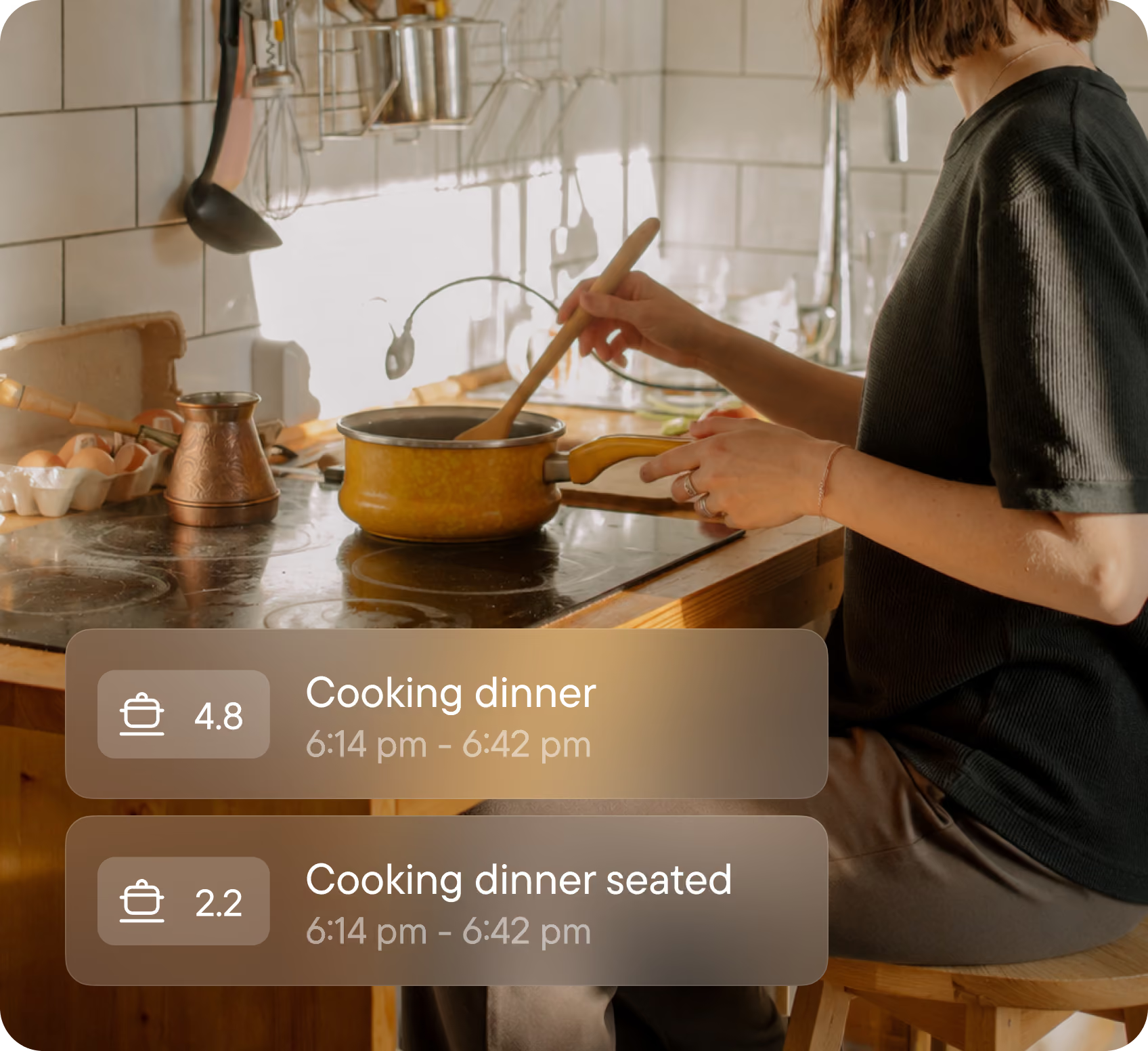
Where you can, break tasks into smaller pieces with rest between them. Small modifications can have a big impact too, for example, sitting while you cook, shower or fold laundry.
Adjust your plans as you go. Temperature, stress, poor sleep, illness, or your menstrual cycle can all affect how much energy you have to spend, even if your activity stays the same.
Rest proactively to prevent symptom flare-ups
There are different types of rest – physical, cognitive, sensory and emotional. Stopping screen time, dimming the lights, or simply releasing the pressure to push through are all valid forms of rest. The key is timing. Taking proactive breaks before you’re exhausted are far more effective than waiting until your body forces you to stop.

How wearable technology supports pacing
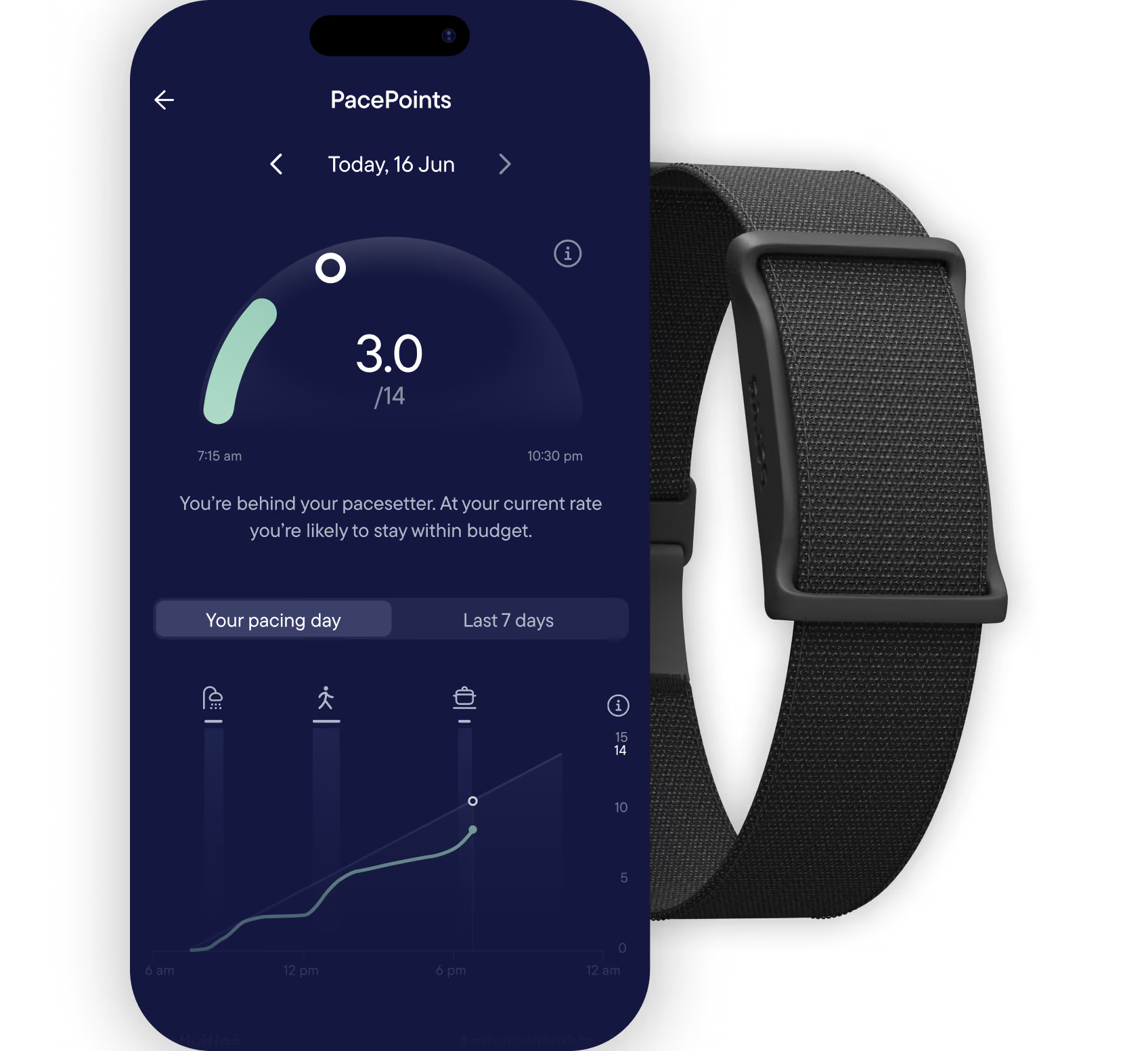
High-accuracy wearable technology can help measure exertion and rest by using heart rate and movement data. By analysing this data in real-time, it can help you to find, and stay, within your energy budget or envelope.
Find out more about VisibleRecommended by medical bodies around the world
Learn more about pacing from leading health authorities


Pacing research


