What is pacing?

Understanding symptom flare-ups
A response to exertion
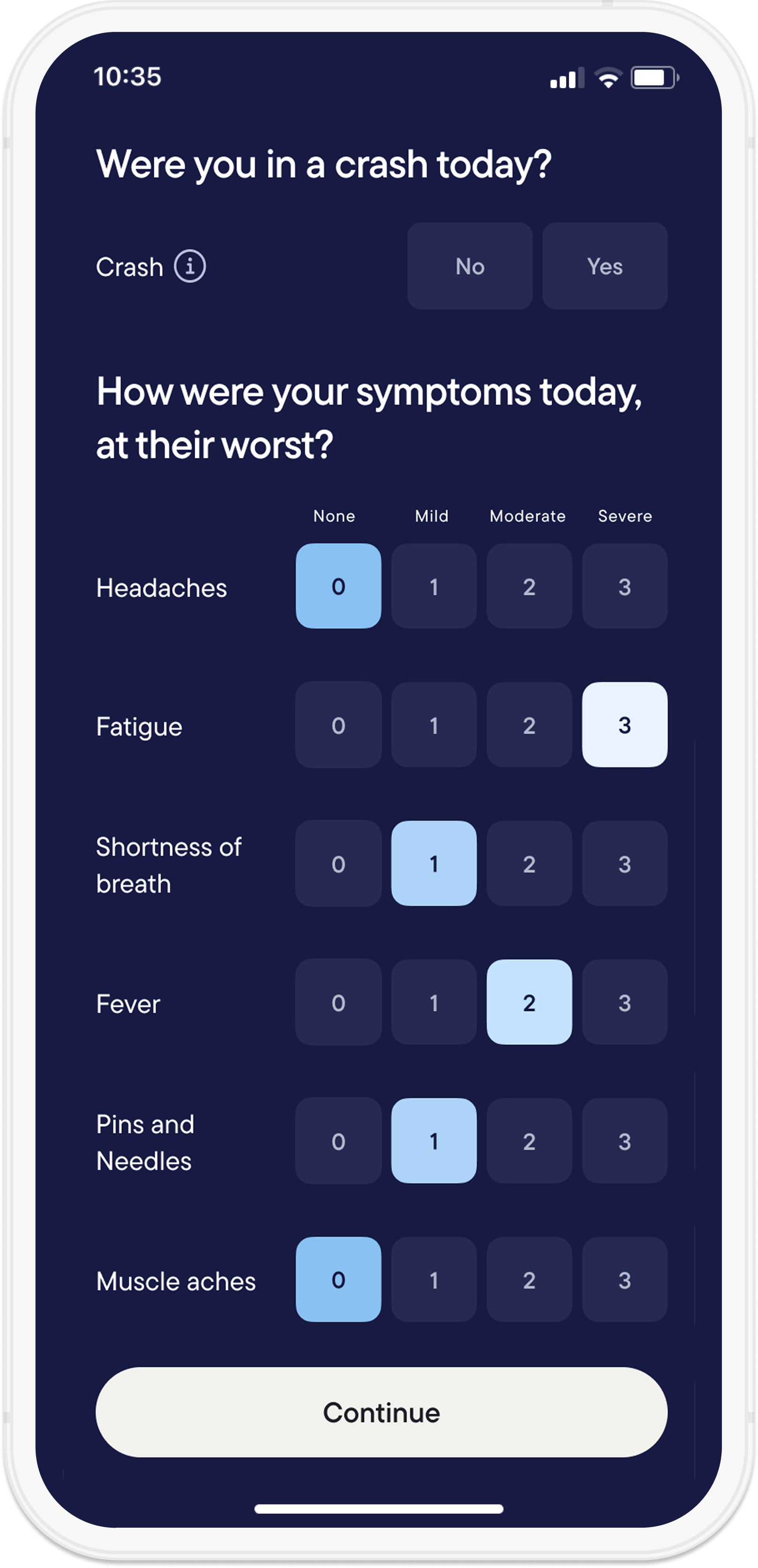
Symptom flare-ups can happen after physical, cognitive or emotional exertion.
This can look very different from person to person, but may include severe fatigue, pain, cognitive difficulties, disrupted sleep and other symptoms.
A delayed onset of symptoms
Symptom flare-ups do not always happen straight away. They can begin 12 to 48 hours after exertion and may last for days or even weeks.
This delay can make it difficult to recognise when you have done too much, which can lead to a cycle of overexertion, symptom flare-ups and recovery.
Staying within your energy envelope
Pacing is a way of balancing activity and rest to help reduce symptom flare-ups. It involves finding a manageable level of activity that avoids both overexertion and underexertion, and that you can maintain over time.

Using wearable technology
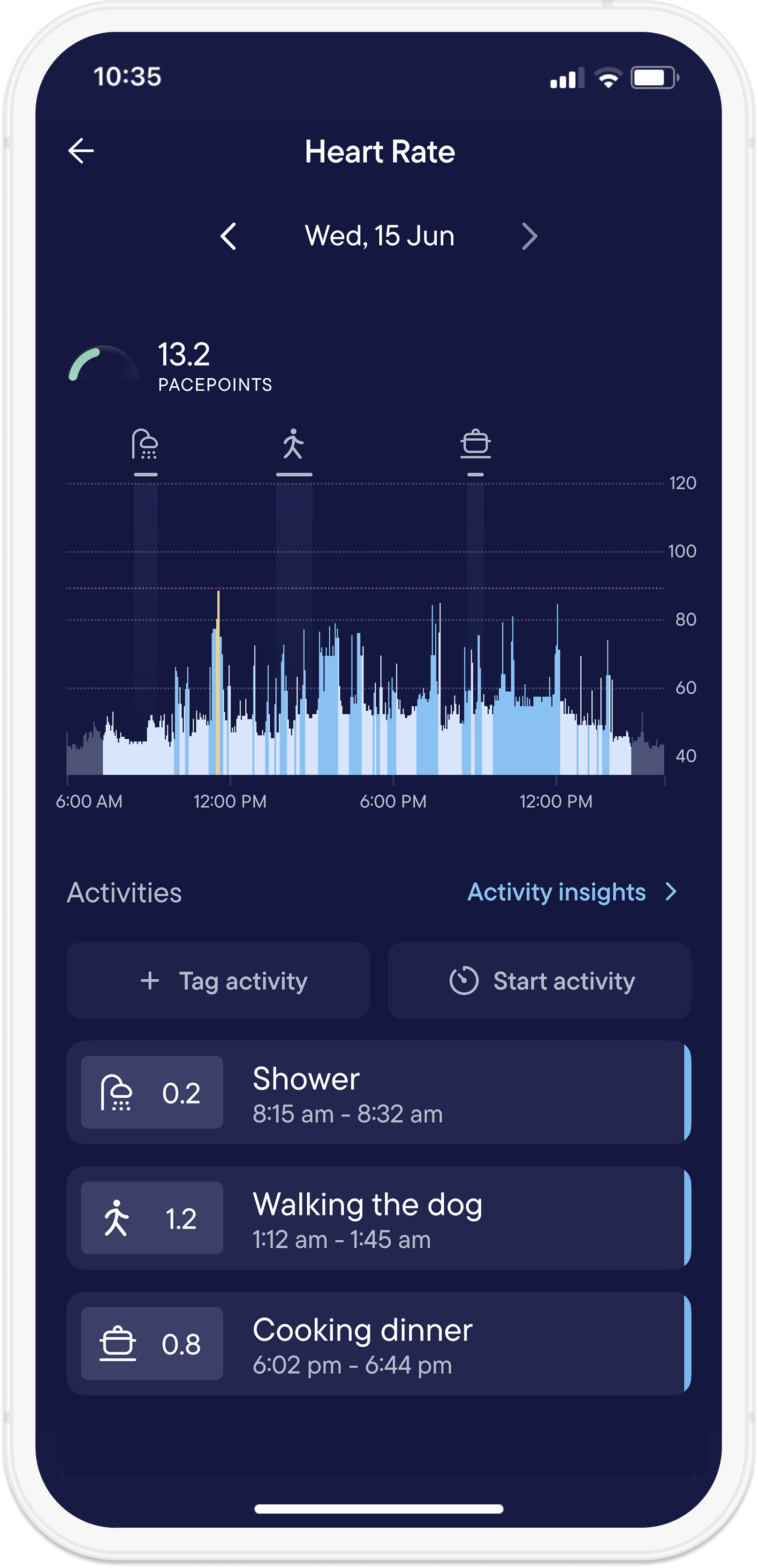
High-accuracy wearable technology can help measure exertion and rest by using heart rate and movement data. Capturing and analyzing this data in real-time may help you to find, and stay, within your energy envelope.
Find out more about VisibleRecommended by medical bodies around the world
Learn more about pacing from leading health authorities


Pacing research


