Long Covid
ME/CFS
Fibromyalgia
POTS
EDS
Visible supports a range of energy-limiting conditions
Empowering patients to manage their health
Visible provides patients with activity pacing guidance and tools to support a calmer autonomic nervous system.
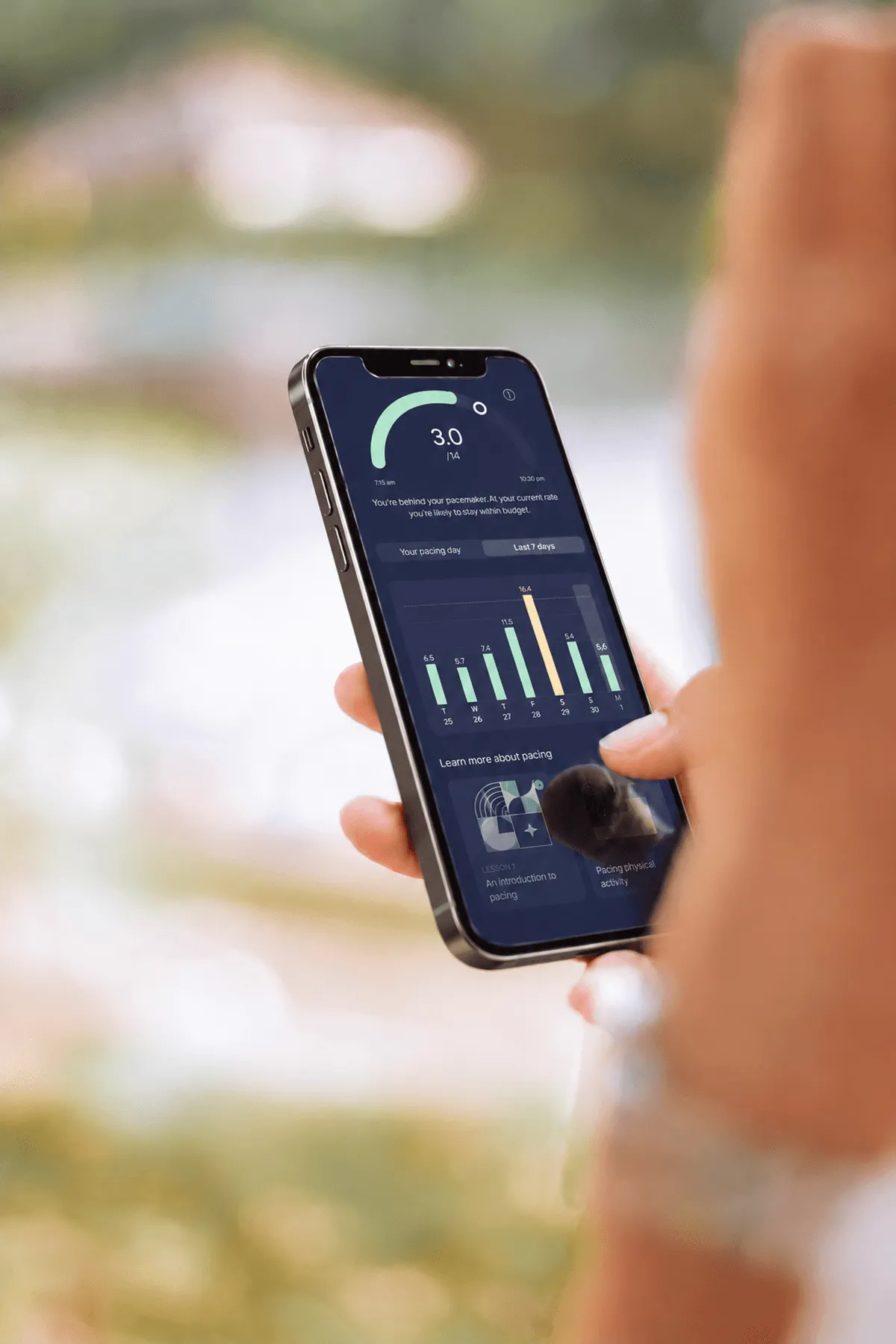
In collaboration with leading educational and research institutions






Clinically relevant impact
feel more in control of their illness.
feel better able to manage their energy.
*From a peer-reviewed study of 1000 members using Visible's wearable for at least 60 days.
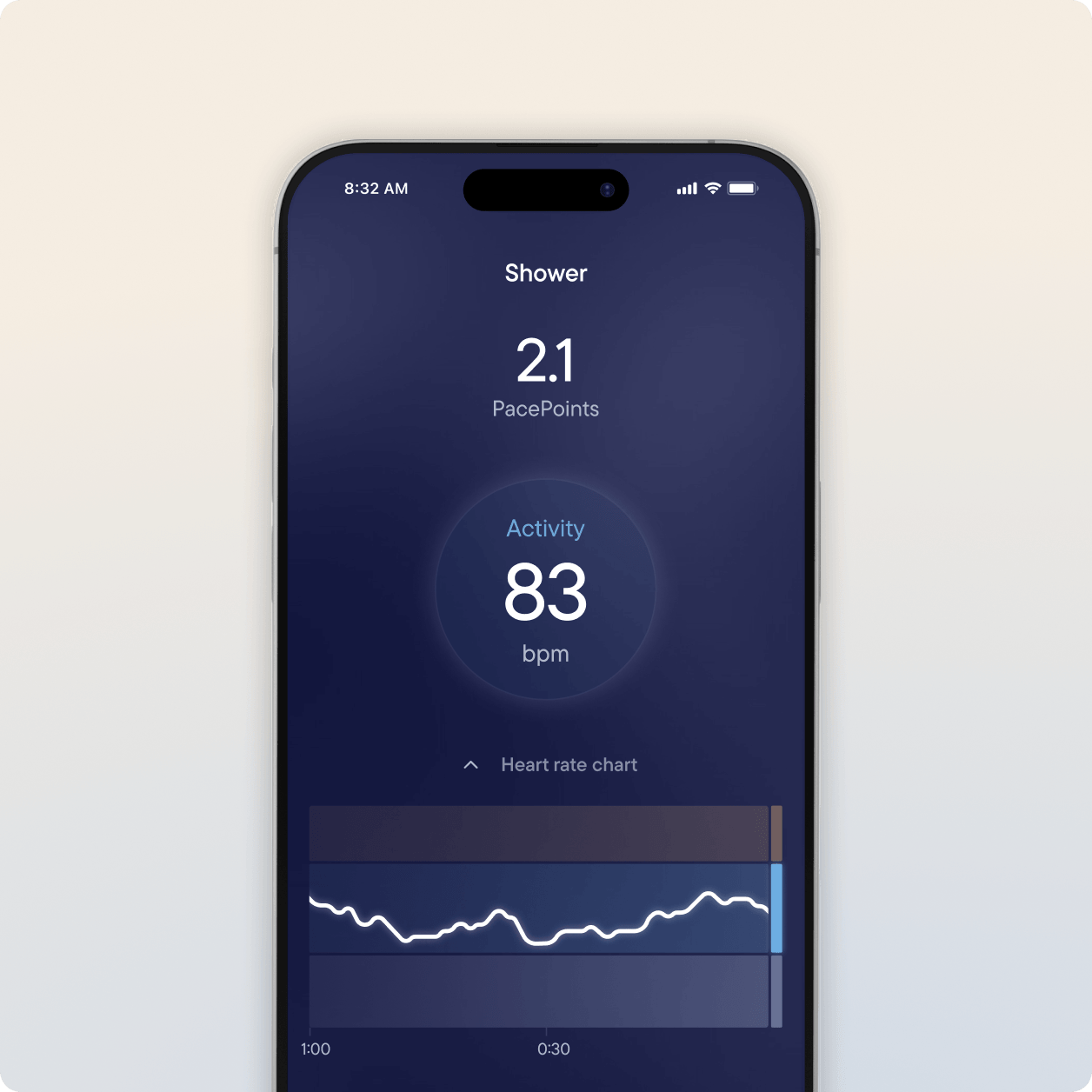
Activity pacing
Visible comprises an always-on, screenless heart rate monitor and mobile app. It provides personalized activity pacing guidance to help reduce the risk of symptom flare-ups for patients living with complex chronic illness.
Structured activity management and heart rate-monitored pacing are recommended for patients with complex chronic illness by Centers for Disease Control and Prevention (CDC) in the USA and the National Institute for Health and Care Excellence (NICE) in the UK.
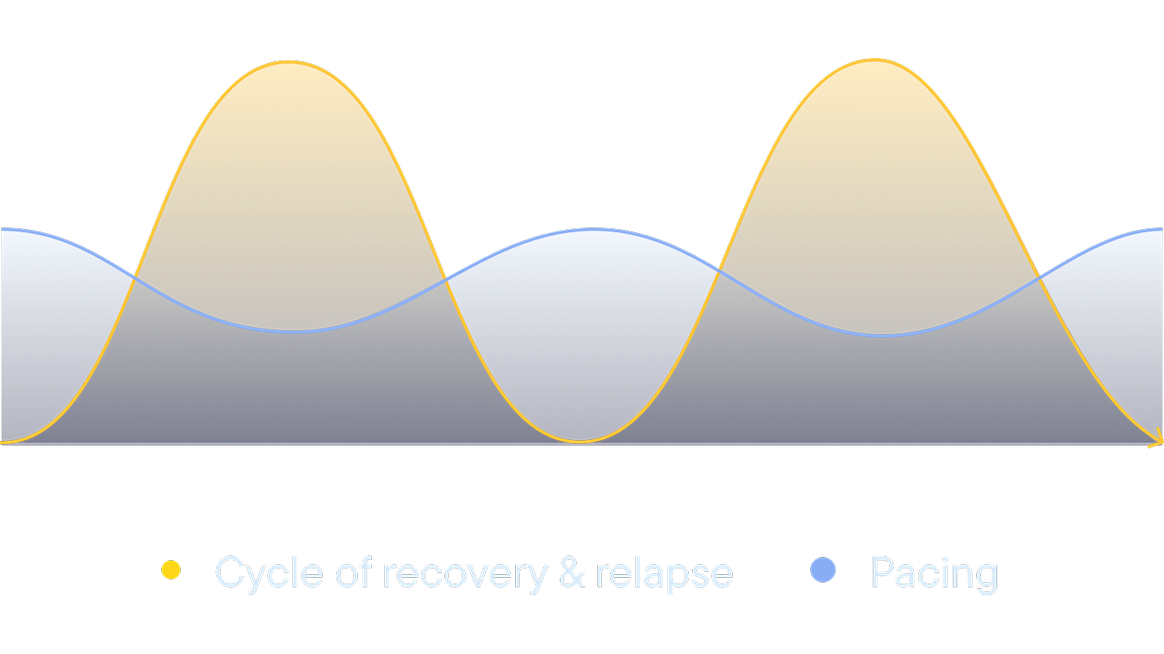
“This meta-analysis of activity pacing in patients with chronic diseases associated with fatigue complaints suggests that activity pacing might have sustained beneficial effects on fatigue management.”
November 18, 2020 • Ulric S. Abonie, Gavin R. H. Sandercock, Marelle Heesterbeek, Florentina J. Hettinga.
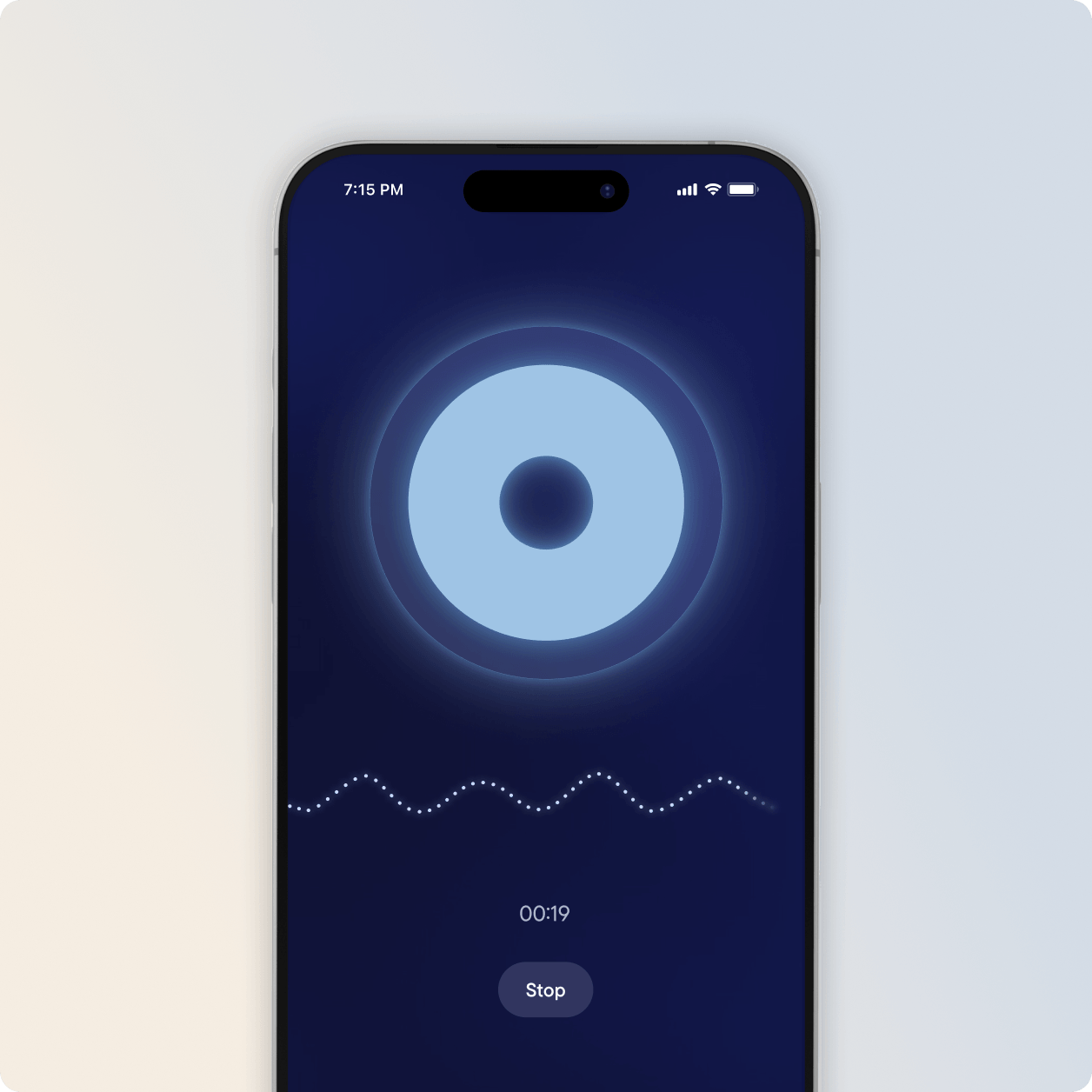
Guided breathing
Autonomic nervous system dysfunction is widely linked with complex chronic illness. Research shows that guided breathing exercises using HRV biofeedback can improve health outcomes in these conditions.
Visible provides simple, accessible coherent breathing exercises with biofeedback via the wearable heart rate monitor and mobile app.
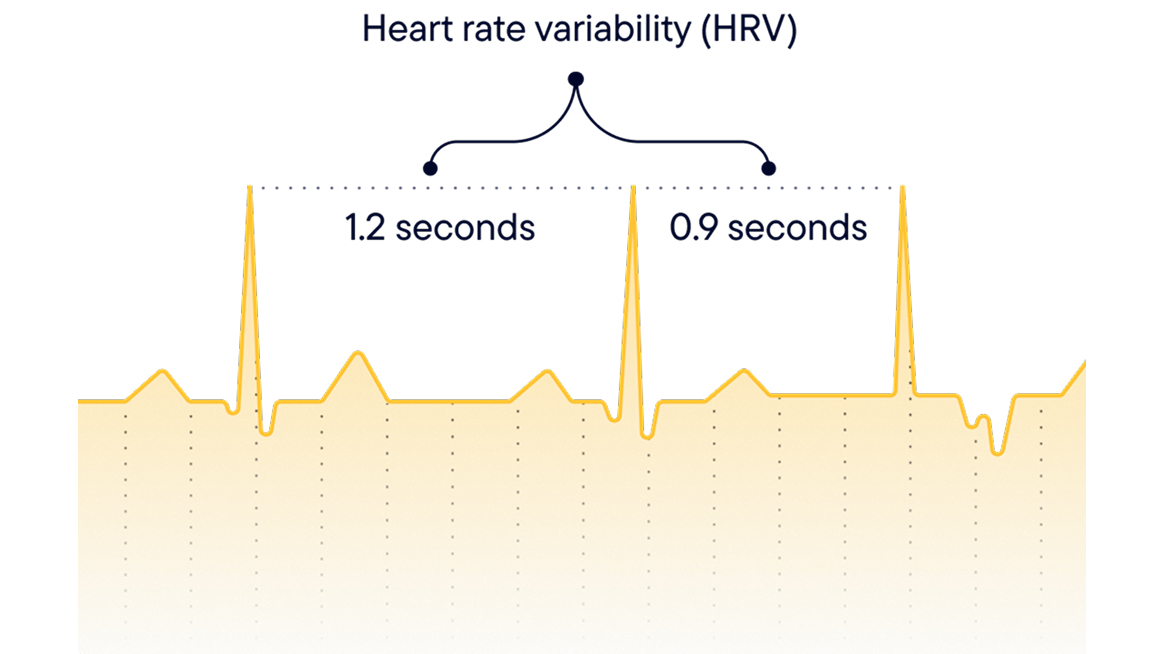
“HRV biofeedback training is a treatment that has been shown to be effective and capable of modulating HRV and enhancing the autonomic function of patients with chronic cardiovascular diseases.”
Heart rate variability disturbances and biofeedback treatment in COVID-19 survivors • European Society of Cardiology
September 29, 2021
Follow your patients’ progress
Get concise reports of your patient’s progress. Patient data secured to HIPAA standards.
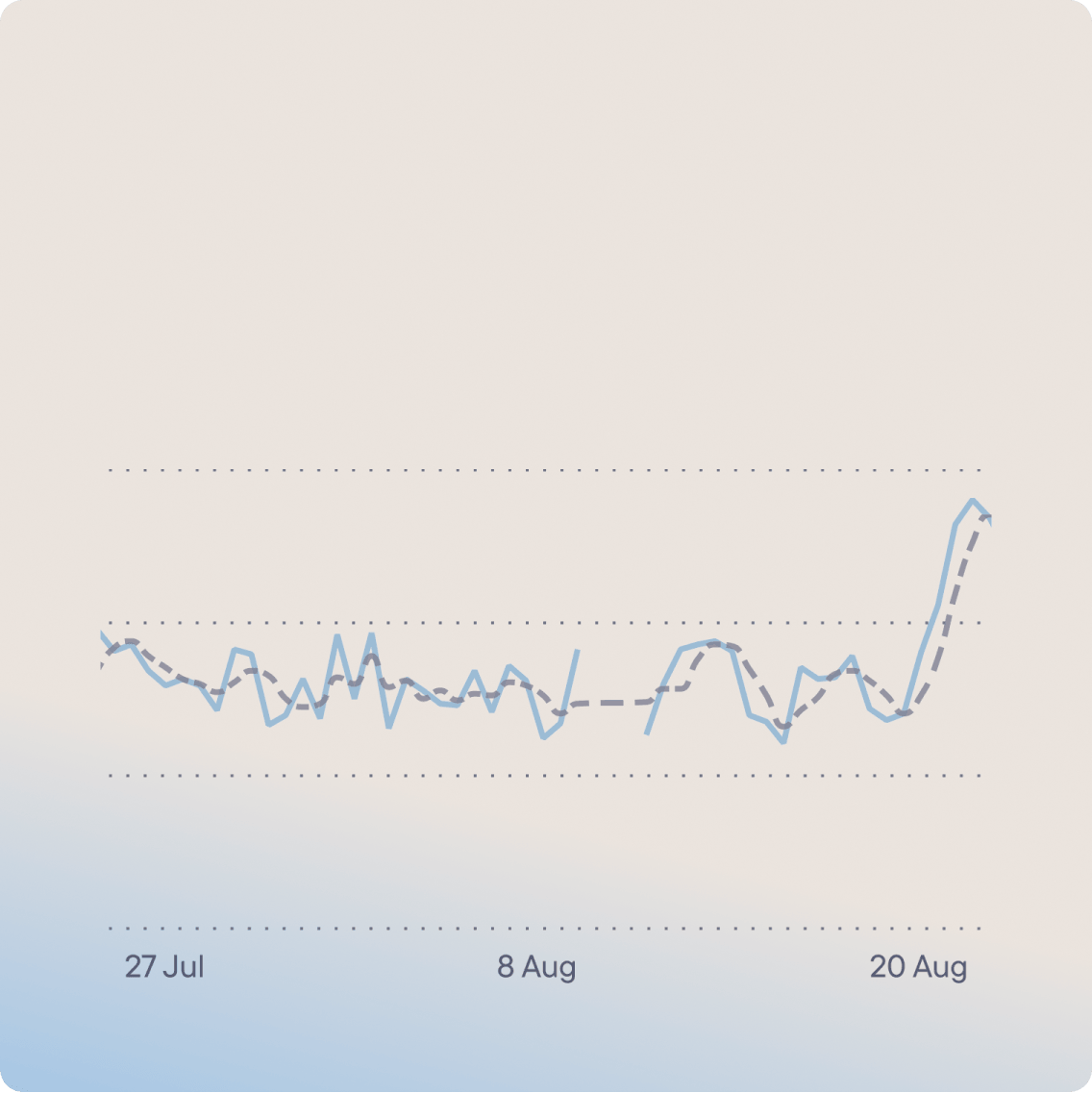
Biometrics
Get key health metrics including overnight heart rate variability (HRV) and resting heart rate readings.
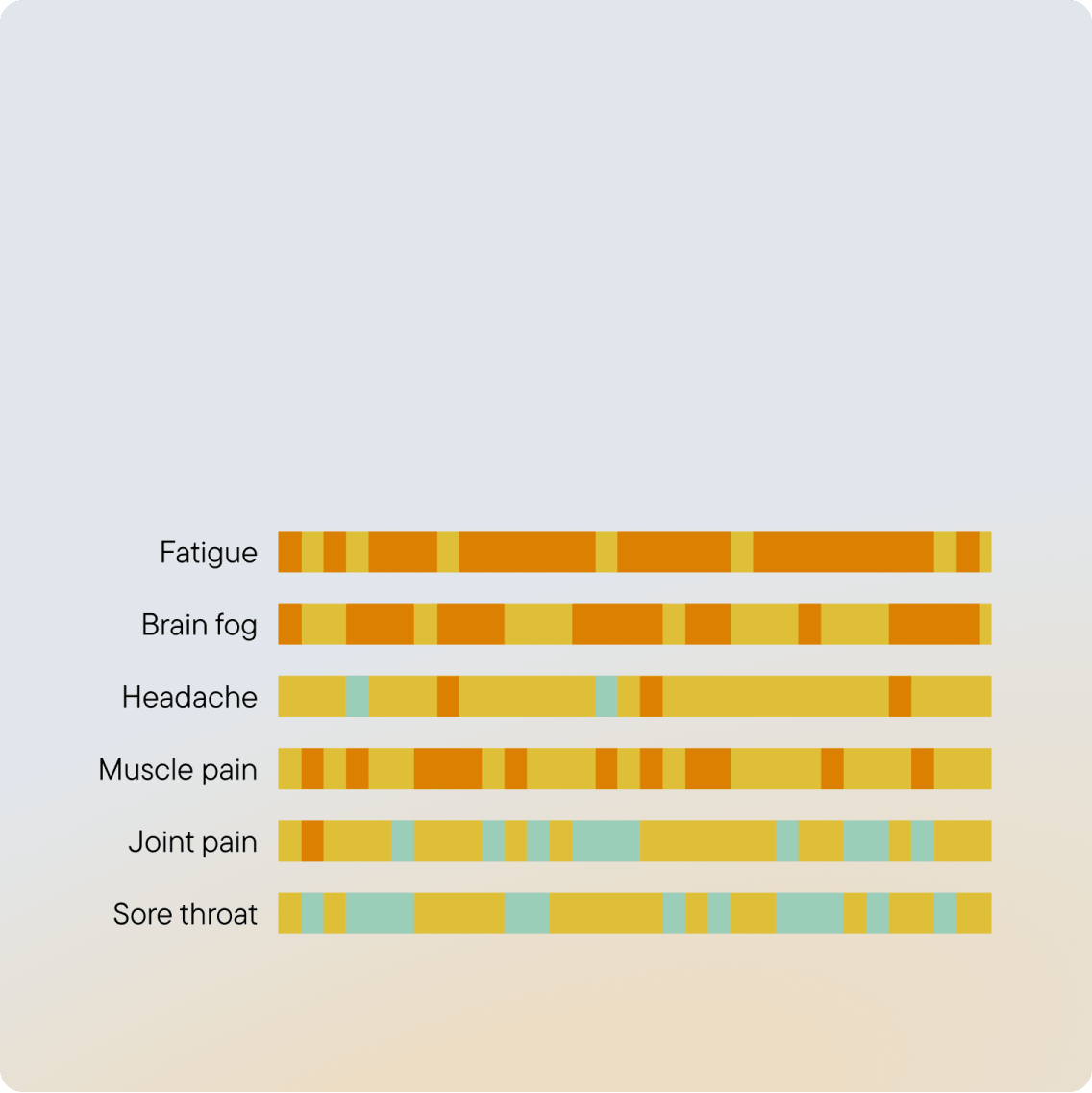
Visualize symptom trends
Follow symptoms, medication and lifestyle changes and visualize long-term trends.
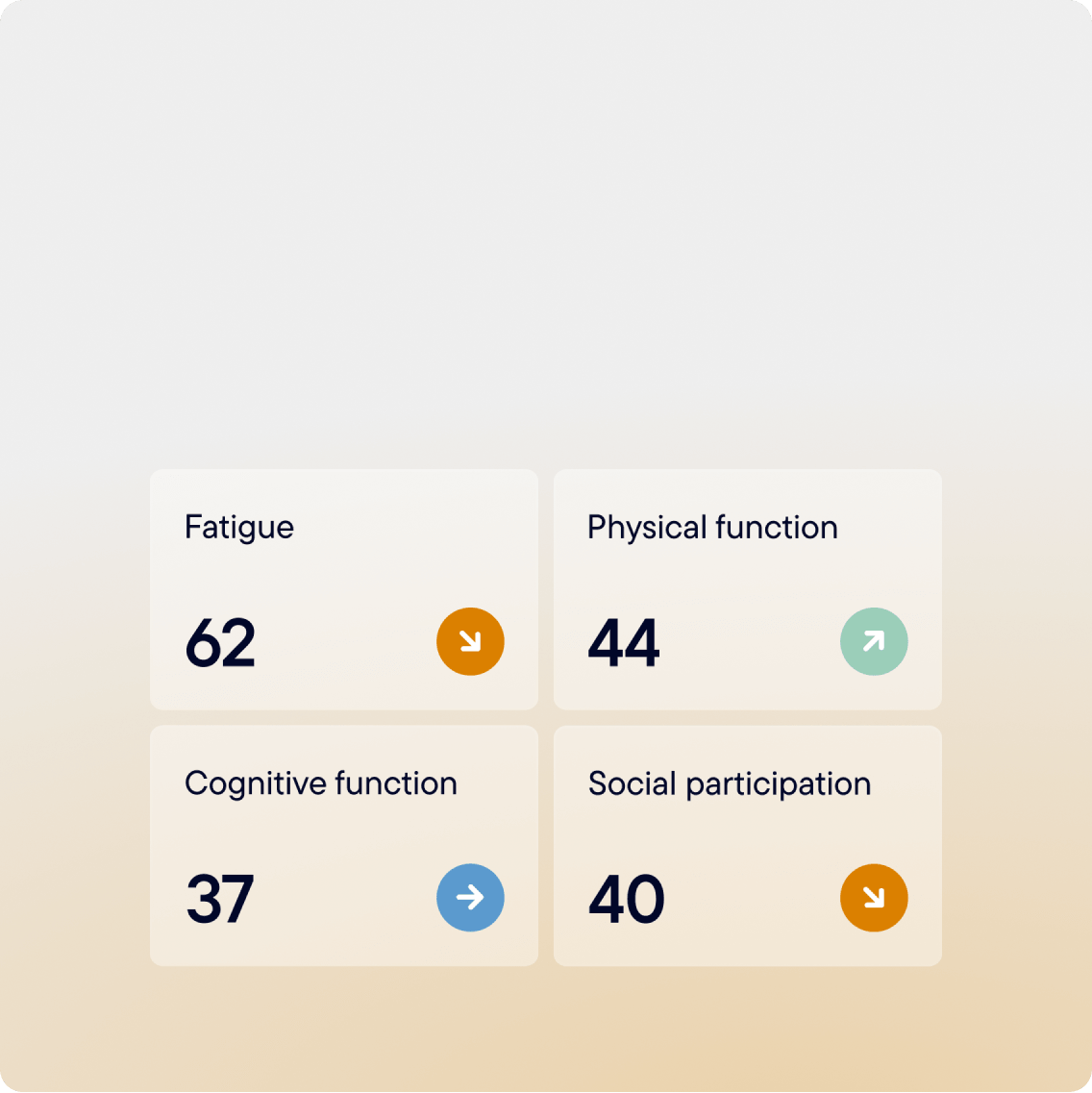
Patient Reported Outcomes
Track changes in patient health with monthly validated Patient Reported Outcomes Measures (PROMS)
Designed in collaboration with leading educational and research institutions
Our scientific advisory board includes world-leading researchers and clinicians specializing in complex chronic illnesses.











Publications featuring our research
A new patient-led approach to building research infrastructure and evidence generation
A new kind of research infrastructure
Visible is pioneering a new model for healthcare innovation: a platform that helps people manage complex chronic illness today while accelerating the research needed for better treatments tomorrow.
In partnership with researchers at:
Mt Sinai
Journal:
Oxford Open Immunology
Digital physiological biomarkers predict within-person symptom changes in complex chronic illness
Morning biometrics and symptom prediction
By analysing over 530,000 check-ins from Visible members, we found that daily biometric changes often appear before people report feeling worse. This research supports the approach behind Visible’s Stability Score, helping members make informed decisions about pacing and recovery.
In partnership with researchers at:
Yale, University of Oxford, Mt Sinai, PolyBio Research Foundation
Journal:
NPJ Digital Medicine
Digital health app data reveals an effect of ovarian hormones on long COVID and myalgic encephalomyelitis symptoms
Do symptoms change across the menstrual cycle?
Using data from nearly 1,000 people with Long Covid and ME/CFS, we found that symptoms change significantly across the menstrual cycle. Crashes were more common during menstruation, while people using combined hormonal contraception experienced 45% fewer crashes and reported lower overall symptom severity.
In partnership with researchers at:
Imperial College London
Journal:
(preprint) Lancet Digital Health
Pacing with a heart rate monitor for people with myalgic encephalomyelitis/chronic fatigue syndrome and long COVID: a feasibility study
Advancing pacing research
We demonstrated that heart-rate-guided pacing can be studied safely and rigorously using wearable technology. The results provide a foundation for larger clinical trials and future evidence-based approaches to energy management.
In partnership with researchers at:
Physios for ME, University of Liverpool, University of the Pacific
Journal:
Fatigue: Biomedicine, Health & Behavior
Wearable technology in the management of complex chronic illness: preliminary survey results on self-reported outcomes
Real-world impact for people with complex chronic illness
We surveyed more than 1,300 Visible members and found that 94% reported a better understanding of their energy limits, 85% felt more in control of their condition, and 77% experienced fewer or less severe crashes. These results show how greater visibility into symptoms and exertion can translate into meaningful improvements in daily life.
In partnership with researchers at:
Mt Sinai, PolyBio Research Foundation
Journal:
Frontiers in Digital Health
An Open-Label Feasibility Study of Remdesivir in Long COVID: Results from the ERASE LC Trial
Testing an antiviral treatment for Long Covid
We supported ERASE LC, the UK's first antiviral trial for Long Covid. People with Long Covid received a course of the antiviral remdesivir, and Visible data was one of the ways their symptoms were tracked. 97% completed treatment with no serious side effects, and early measures of fatigue and walking distance improved. Larger, randomised trials are now needed to test whether it works.
In partnership with researchers at:
Loughborough University, University of Derby, University of Plymouth, University of Exeter
Journal:
Preprint
Frequently asked questions
Visible users can choose to share their data with their clinician in one of two ways: either through a static health report, or via their live Clinician Dashboard. The dashboard contains both biometric and self reported data, including the patient’s:
- daily energy budget and heart rate data
- overnight and morning heart rate and heart rate variability (HRV)
- activity types and average intensity
- manually tracked symptoms and medication
The Visible band and membership can be purchased via the Visible website, or bought as an upgrade via the free Visible research app.
All Visible products, including membership costs, shipping, and taxes, are HSA/FSA eligible in the USA.
No. Visible is not a medical device. It’s a wearable designed for general information and education, helping people live well with energy-limiting conditions by understanding their activity and rest patterns to support pacing. It isn’t intended to diagnose, treat or monitor any condition, and it is not a substitute for clinical assessment or judgment. Some patients may choose to share their Visible data with you as additional context for conversations about their care, but any clinical decisions should remain with you and your patient.