Our mission is to make invisible illness visible.
01
Visible to you, so you can manage your health

02
Visible to clinicians, so they can support your care

03
Visible to researchers, so they can advance treatments and cures

Hundreds of millions of people live with complex chronic illness worldwide.
These life-altering conditions have been overlooked by science, underserved by healthcare, and misunderstood by society.
We’re here to change that.
Our approach
We take a transparent, patient-centric and science-led approach to tackling our mission.
Our approach to pacing
Pacing is a self-management strategy widely recommended for complex chronic illnesses in which post-exertional symptoms occur.
At Visible, we define pacing as balancing physical, cognitive, social and emotional exertion with rest, helping people make the most of their current capacity while reducing the risk of worsening symptoms.
Pacing isn’t about avoiding activity altogether. Doing more than the body can tolerate can make symptoms worse, but avoiding activity unnecessarily can have consequences too. The aim is to find a sustainable balance between activity and rest.
We also recognize that pacing isn’t always possible to the extent someone needs. For people who are more severely affected, essential daily activities can worsen symptoms. For others, work, caring responsibilities and other demands can make it hard to rest when needed. Visible is designed to support people in pacing within the circumstances of their lives.
The science of pacing is still developing. Visible works with clinicians, researchers and people living with complex chronic illnesses to ensure our approach reflects the best available evidence. Through our own research and collaborations, we’re also working to improve understanding of how pacing can support people living with these conditions.
Our approach to mental health
Living with complex chronic illness can affect mental health in many ways. Changes to independence, work and relationships, uncertainty about the future, and difficulties accessing appropriate healthcare all present significant emotional challenges.
There may also be biological reasons why these illnesses affect mental health. Research suggests that changes associated with these conditions, including inflammation and changes in nervous system function, may contribute to anxiety and depression, although the extent of their contribution is not yet fully understood.
Physical and mental health can also influence one another. Cognitive and emotional demands can worsen physical symptoms. This is why pacing needs to account for all forms of activity, not just physical exertion.
But recognizing the importance of mental health must never mean dismissing or invalidating physical illness. Despite substantial scientific evidence of biological abnormalities associated with complex chronic illnesses, misconceptions about their psychological origins persist. These can lead to physical symptoms being incorrectly attributed to psychological causes, contributing to stigma, delayed diagnoses and inappropriate care, all of which can cause significant harm.
At Visible, we’re working towards a future where people living with complex chronic illnesses receive comprehensive, evidence-based care that recognizes the full complexity of their conditions and addresses all aspects of their health.
Our approach to recovery and progress
The course of complex chronic illness can follow many different paths. Some people recover fully, others improve gradually or experience periods of remission and relapse, while some remain at a similar level of health or become more unwell.
Too often recovery is treated as the expected or only outcome of complex chronic illness. We believe this is an oversimplification, and ultimately unhelpful. It can leave people who don’t recover feeling as though they have somehow failed. It can contribute to dismissal of their ongoing concerns and health needs. It also undermines the urgency of research into better treatments and cures.
At Visible, we believe progress can take many forms. For some, progress means recovery, with Visible helping them understand and support their health along the way. For others, progress might mean fewer symptom flare-ups, a more stable baseline or greater confidence in making decisions about their health. All of these are meaningful forms of progress.
Our ambition is a future where everyone affected by complex chronic illness can recover. We’re working to support people with their health today, while partnering with researchers to advance scientific understanding and accelerate progress towards better treatments and cures.
Our approach to nervous system regulation
Research has identified changes in how the autonomic nervous system functions in people with different complex chronic illnesses. These changes affect how the body regulates automatic functions such as heart rate, blood pressure, and digestion.They can also affect how the body responds to stress and how easily it returns to a restful state. This may in turn impact immune function, symptoms, and overall health.
There is growing evidence that techniques that influence the autonomic nervous system, such as paced breathing, mindfulness, and relaxation exercises, can benefit physical and mental health. Studies have shown improvements inheart rate regulation, fatigue, sleep, and moodin broader populations, and early research suggests similar benefits in people with complex chronic illnesses.
Supporting nervous system regulation may therefore play a valuable role in improving health and managing symptoms linked to autonomic dysfunction. However, autonomic dysfunction is one part of a complex biological picture. Nervous system regulation is not a cure for complex chronic illness, nor a substitute for appropriate medical investigation and treatment.
At Visible, we’re working to make evidence-informed nervous system regulation techniques more accessible, giving people practical ways to support their health and wellbeing. Through our research and collaborations, we’re also working to advance understanding of how these approaches work and the role they can play in supporting people living with complex chronic illness.
Built by a team who understands
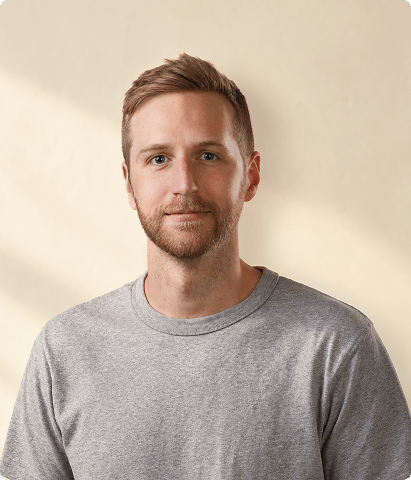
Harry is Co-founder of Visible. An engineer by training, he began his career in Formula 1 and electric vehicles before developing Long Covid in 2020. Despite being seriously unwell, his tests came back normal and his symptoms were attributed to anxiety or deconditioning.
He turned to fitness trackers to better understand his health. But they tracked workouts, not rest, and pushed people to do more, not to pace.
In 2022, he set out to build a wearable designed around the needs of people with complex chronic illness.
His ambition is to transform how we understand and treat these conditions, giving people greater understanding and support for their health while accelerating research towards better treatments and cures.

Oonagh is Brand Lead at Visible. A former professional rower with the British Rowing Team, she was pre-selected for the Tokyo Olympics before developing Long Covid and ME/CFS, which forced her to retire from professional sport.
Her experience led her into research and advocacy. She has spoken widely in the national media about the need for greater scientific understanding and better care, and completed a research fellowship at the University of Oxford studying Long Covid.
At Visible, she brings these experiences together to lead the company’s brand and communications, working to change how complex chronic illness is understood and accelerate progress towards better care and treatments.

Jemma is Social Media Manager at Visible. Before developing Long Covid, she was a secondary school science teacher. Her illness forced her to leave teaching, and she began sharing her experience of chronic illness online.
Today, she is one of the most recognisable voices in the chronic illness community. She has built an audience of hundreds of thousands with her honest, often hilarious take on life with chronic illness.
She brings that same creativity and understanding of chronic illness to Visible, shaping how we reach, connect with and support people living with these conditions.
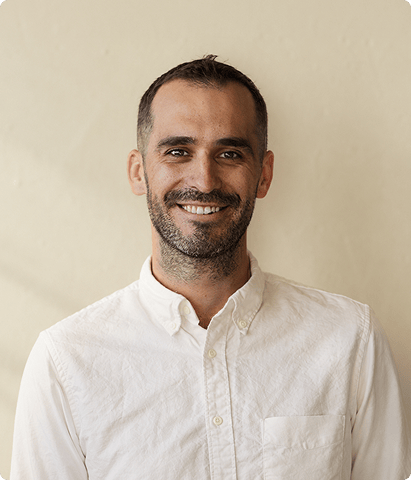
Ed is Head of Member Support at Visible. Before joining the team, he held a senior leadership role at a London school. After developing Long Covid, he had to leave teaching and became involved in efforts to improve understanding of these poorly understood conditions.
At Visible, he combines his firsthand experience of illness with his background in education to ensure members receive thoughtful, informed support that reflects the realities of living with complex chronic illness.

Janna is Director of Clinical Affairs and Research at Visible. While at college, an Epstein-Barr virus infection left her with severe post-viral fatigue. The experience inspired her to train as a clinical health psychologist to support others living with health challenges.
After earning her PhD, she researched how technology could improve access to evidence-based healthcare for underserved communities. She also established an independent psychology practice supporting people with chronic illness and pain.
At Visible, she works to make evidence-based tools for living with chronic illness more accessible, ensuring they are grounded in science, measuring their impact and helping bring Visible into healthcare settings at little or no cost to patients.

Paul is Head of Data Science at Visible. Before joining the team, he spent 15 years working in technology and data science on social impact projects across education, public health and social care. He holds a PhD in Computer Science.
Paul developed ME/CFS in 2022. After a difficult year trying to understand what was happening to his health, followed by another year of medical tests and appointments, he was finally diagnosed in 2024.
At Visible, he combines his firsthand experience of illness with his technical expertise, turning the data members share into tools they can trust and advancing scientific understanding of these conditions.
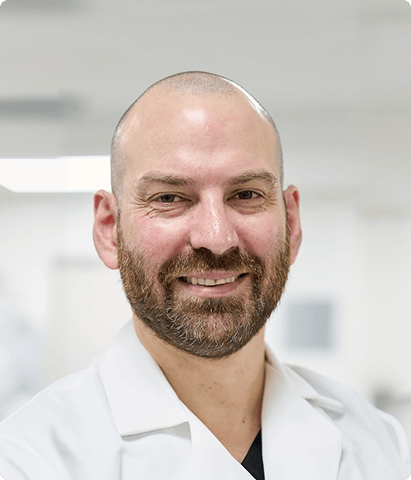
David Putrino is Director of the Cohen Center for Recovery from Complex Chronic Illness (CoRE) at Mount Sinai in New York, a leading US center for Long Covid, ME/CFS and related infection-associated chronic illnesses. He leads clinical trials investigating new treatments for these conditions and also serves as Director of Rehabilitation Innovation for the Mount Sinai Health System and Professor at the Icahn School of Medicine.
David is a scientific advisor to Visible and collaborates with the team on research to better understand what drives symptoms and how people living with complex chronic illness can better manage their health.

Boon Lim is a Consultant Cardiologist and Electrophysiologist at Imperial College Healthcare NHS Trust in London, specialising in heart rhythm conditions and autonomic disorders, including fainting (syncope), POTS and Long Covid.
He has published more than 100 peer-reviewed papers, many exploring the relationship between the autonomic nervous system and heart health. He is also the founder of StopFainting.com and author of Keeping Your Heart Healthy, published as part of Penguin’s Life Expert series.
Boon is a scientific advisor to Visible, bringing his expertise in autonomic function and heart rate variability to the development of Visible’s technology and research.
In collaboration with leading educational and research institutions